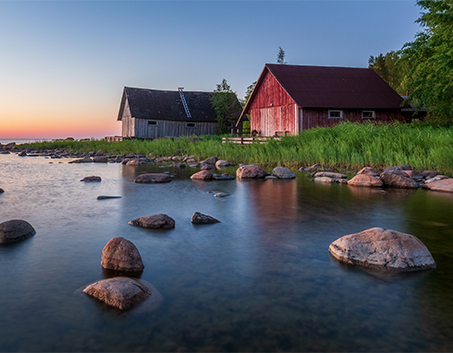
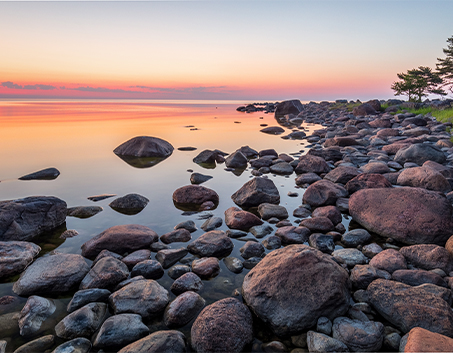
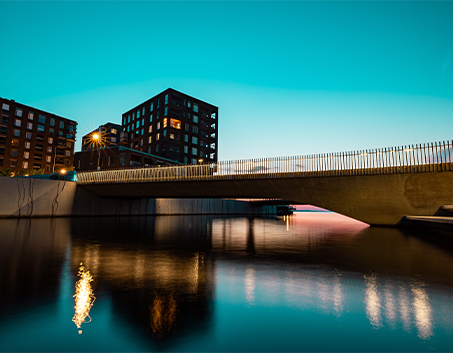
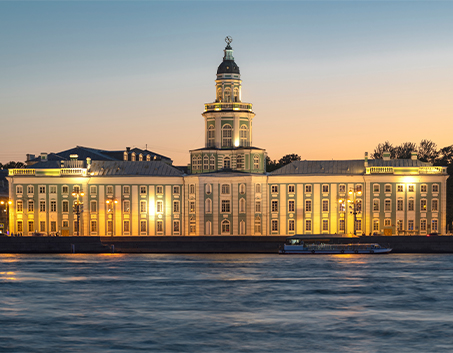
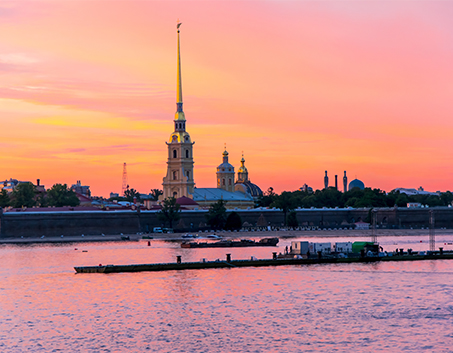
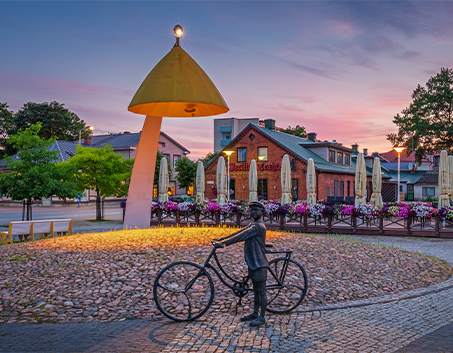
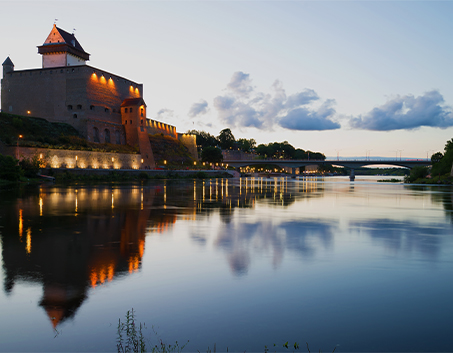
There are some geographies where, upon arrival, you haven't just changed location; your perception of time changes as well. The northern lands, where the sky still tilts toward blue as the clock strikes midnight, the horizon glows in golden tones, and the night never truly darkens, offer exactly such an experience. White Nights are one of nature's silent but impressive miracles. With the arrival of summer in Northern Europe, light disrupts the order we know; the day lengthens, the evening lingers, and the night almost vanishes.
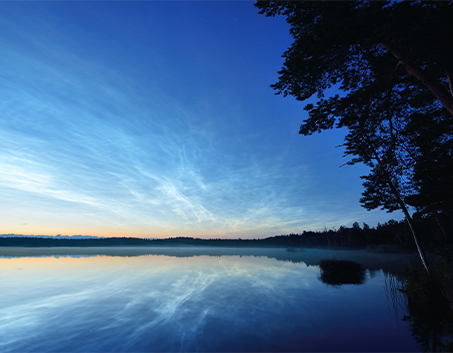
This phenomenon is often confused with the Midnight Sun. However, the two are not the same. The Midnight Sun means the sun never sets above the Arctic Circle. During White Nights, the sun dips below the horizon, but not deep enough. Therefore, the sky does not surrender to darkness; the soft light of twilight remains on the earth throughout the night. The sky is not black; it hangs somewhere between navy blue, purple, dusty rose, and gold. As the June solstice approaches, this state of luminous night completely changes the rhythm of the north.
What makes White Nights special is not just that it is a natural phenomenon. The truly impressive part is how this light transforms the culture of living. People do not want the evening to end. Parks remain full until midnight. Canoes gliding silently over lakes, tables set by the forest edge, late-night walks, a sky that looks like it's setting but never actually says goodbye... In the north, summer is lived not by the clock, but by the light.
For those who want to experience this magical season, the routes are at least as impressive as the phenomenon itself.