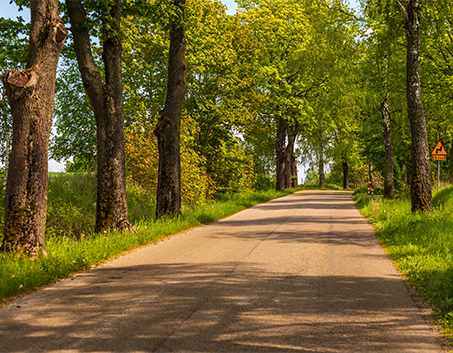
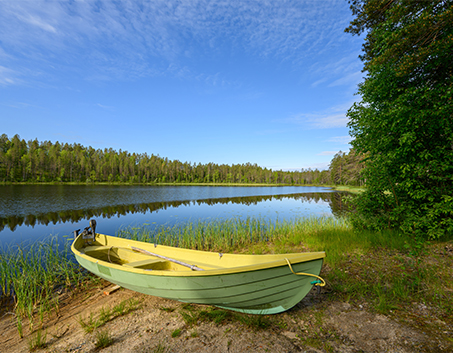
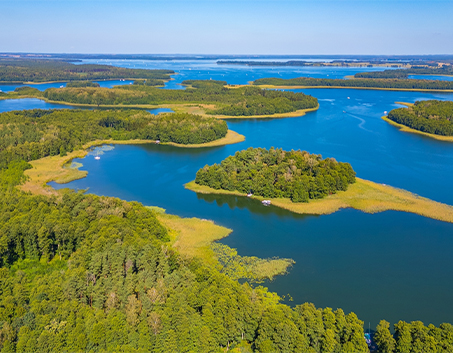
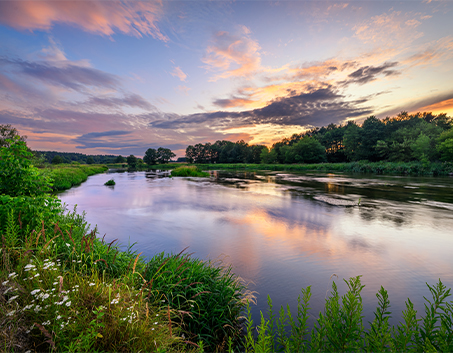
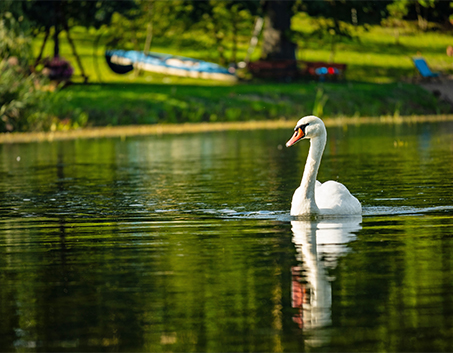
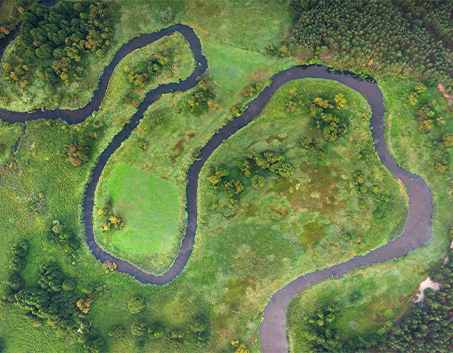
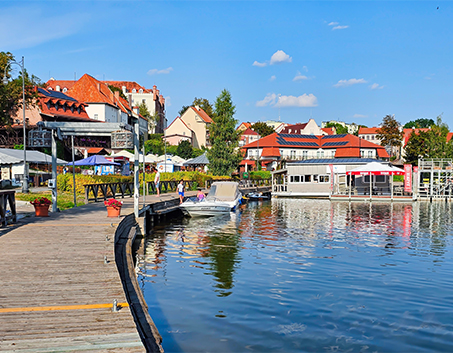
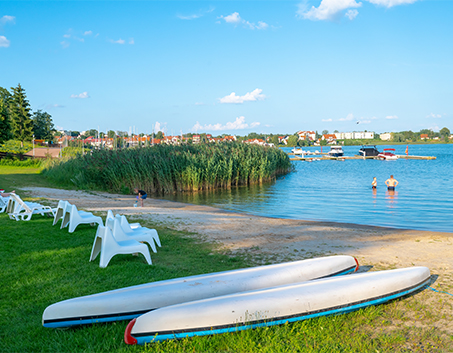
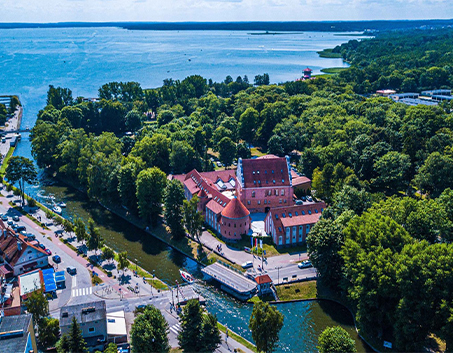
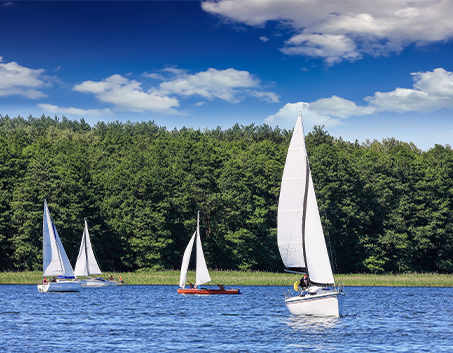
When Poland comes to mind, the rebuilt streets of Warsaw, the squares of Kraków or Gdańsk on the Baltic coast may come first. Yet as you head towards the northeast of the country, the Poland defined by cities gradually fades behind you. Pine and birch forests line the roads; the spaces between villages grow wider, and the sky opens up. Then a lake appears. A few kilometres later, another, followed by yet another one visible only in the morning light behind the reeds… In Mazury, it is water rather than land that draws the map.
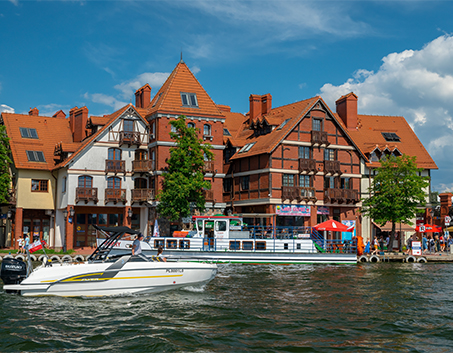
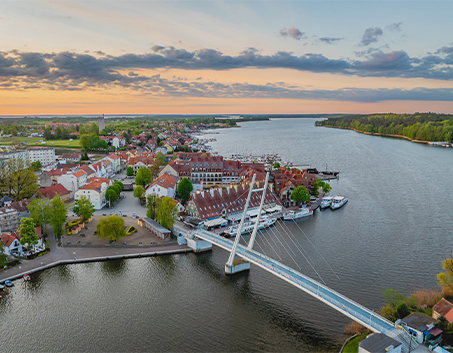
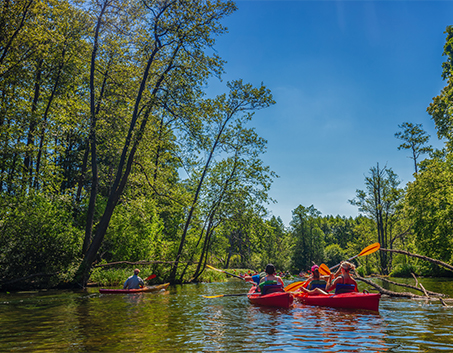
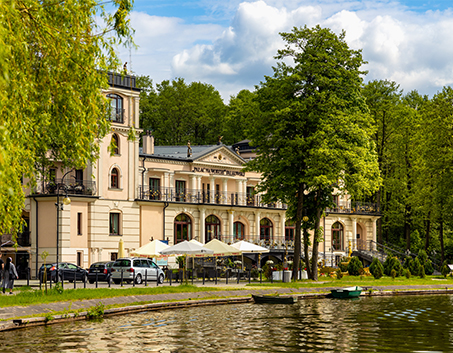
This region, known to Poles as Mazury, is one of Europe’s most impressive inland water landscapes, with more than two thousand lakes connected by rivers and canals. Yet describing Mazury only by the number of its lakes would be incomplete. This is a place where sailboats travel between towns, forests reach all the way to the water’s edge, old Prussian castles overlook small harbours, and the pace of the day is determined by the weather. Turning into a lively outdoor world in summer, the region becomes quieter, more local and perhaps at its most characteristic from the second half of September onwards.