
 Contact Us
Sweden’s Wild Food Safaris: From Foraging to Truffle Hunting
Sweden’s Wild Food Safaris: From Foraging to Truffle Hunting
From wild berries and mushrooms to Gotland truffles, Sweden’s forests and countryside offer a wealth of seasonal delicacies waiting to be discovered. Thanks to the right of public access, foraging is part of Swedish culture. Joining a guided experience led by a local expert is both an enjoyable and an educational way to get started.
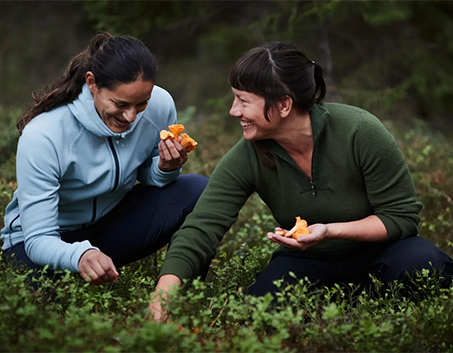
Foraging is deeply rooted in Swedish culture. In late summer and early autumn, nature lovers of all ages, including renowned chefs, head into the forests to gather wild berries, mushrooms and edible plants. Finding blueberries, chanterelle mushrooms and other seasonal delicacies can be just as enjoyable as eating them.
With forests covering 70 per cent of the country, suitable foraging spots are generally not far away. Thanks to Sweden’s right of public access, everyone can explore nature and gather wild berries and mushrooms, provided they respect the environment and wildlife.
For beginners, joining an experienced guide is a good way to learn what to look for and what to leave undisturbed. Mushroom expert and author Niki Sjölund, for example, runs mushroom courses just outside Stockholm.
Wild Berries: Little Delights of the Swedish Summer
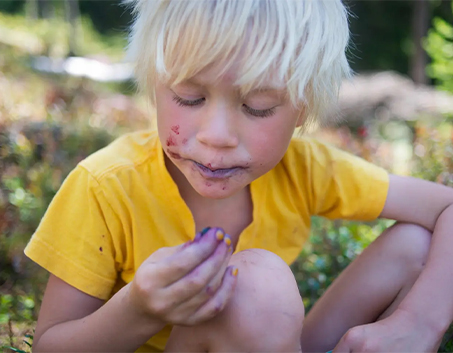
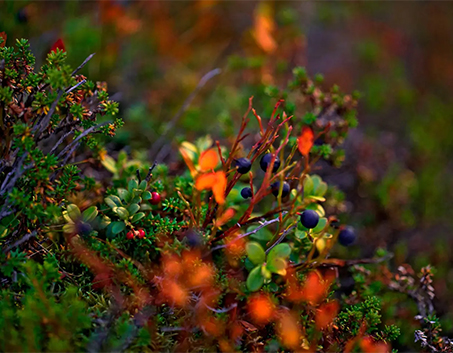
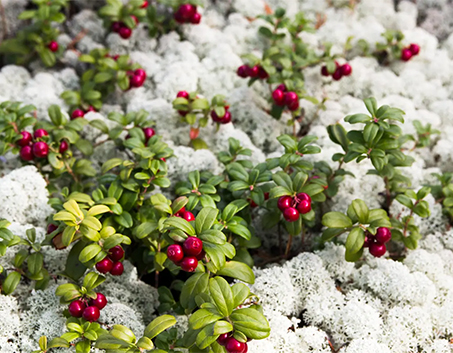
From midsummer onwards, Sweden’s forests begin to fill with wild berries. Blueberries, which grow on low plants in forests across much of the country, are among the easiest varieties to find. Wild raspberries also appear in sunny clearings, along forest edges and beside trails, offering a light, fragrant sweetness that captures the height of summer. As the season progresses, red lingonberries add splashes of colour among the greenery.
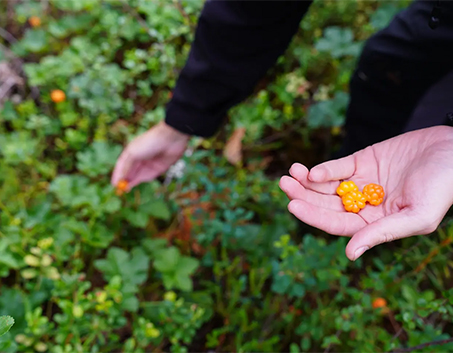
In northern Sweden, look out for cloudberries, known locally as “hjortron”. Growing in marshy areas, these golden berries are highly prized for their distinctive sweet-and-sour flavour. Traditionally, they are made into jam and served with waffles or desserts. They are also used in a wide range of products, from baked goods to drinks.
Wild strawberries, known in Swedish as “smultron”, are another beloved fruit of the Swedish summer. Smaller and more intensely flavoured than cultivated strawberries, they grow in sunny spots along forest edges, trails and meadows.
If you want to experience wild berry picking like a local, bring a small container, wear suitable footwear and set aside a day for the activity. You can make jam with the berries you bring home, decorate a tart or add a fresh taste to your breakfast the following morning.
Chanterelle Mushrooms: Sweden’s “Gold of the Forest”
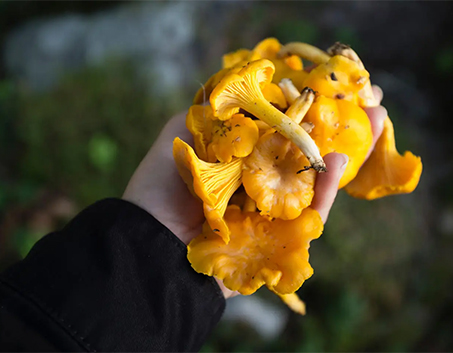
Late summer and autumn bring one of the most sought-after delicacies in Sweden’s forests: the chanterelle mushroom. Known for its golden-yellow colour and delicate, slightly peppery flavour, this mushroom is often called “gold of the forest”.
Finding a spot where chanterelles grow in abundance is an art in itself. Swedes tend to keep their favourite picking spots to themselves. Once harvested, these mushrooms require few ingredients to prepare. You can sauté them in butter and serve them on toast, add them to pasta or use them in a creamy sauce.
Many edible mushroom species grow in Sweden. However, there are also poisonous varieties that can be mistaken for them. If you are new to mushroom foraging, go with a knowledgeable guide or take a dedicated mushroom course to learn how to identify species safely.
Truffles: Gotland’s Black Gold
Sweden may not be the first country that comes to mind when you think of truffles. However, the island of Gotland has developed its own distinctive and vibrant truffle culture.
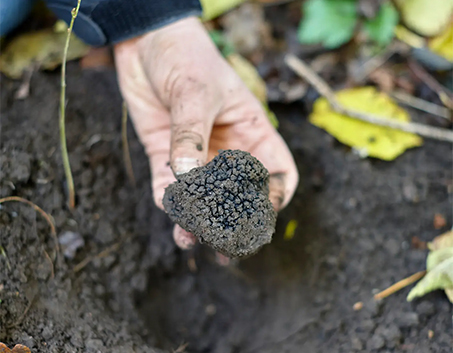
The island’s limestone-rich soil creates favourable conditions for Burgundy truffles, which grow naturally here. Autumn is the time to discover this delicacy; October and November are particularly suitable for a truffle-focused trip.
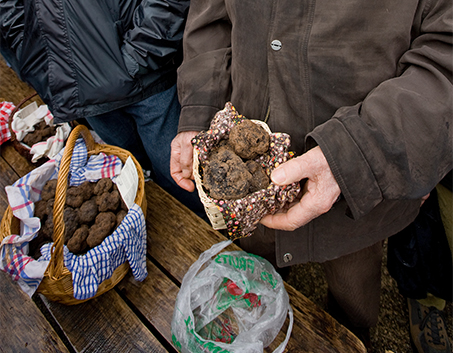
One of the highlights of the season is the Gotland Truffle Festival, held every November. In 2026, the festival takes place from 13 to 15 November, while Truffle Month runs from 9 October to 15 November. During this period, visitors can look forward to truffle hunts, special menus and events celebrating this local delicacy grown on Gotland.
A guided truffle hunt offers the opportunity to head into nature with trained truffle dogs and learn how these mushrooms are found underground. Afterwards, you can explore Gotland’s restaurants serving seasonal truffle dishes. This creates an autumn experience that combines local culinary traditions with time spent outdoors.
Whether you return from the forest with a basket of chanterelles, a handful of blueberries or simply a better understanding of what grows here, foraging is a wonderful way to get to know Sweden’s natural world more closely.