

Extending from the imperial heritage of Beijing to the Silk Road memory of Xi'an, the teahouses of Chengdu to the forward-looking skyline of Shanghai, this itinerary transforms China from a bucket list of attractions into a journey moving through time.
China is not a country that can be completed in a single journey. Between north and south, coast and inland, palace culture and street life, there lie not merely kilometers, but climates, cuisines, languages, and distinct senses of time. Therefore, a good Chinese itinerary is not the one connecting the most cities on a map, but the one showing different faces of the country while leaving enough time to breathe between them.
The route through Beijing, Xi'an, Chengdu, and Shanghai achieves precisely this. The journey begins in the ceremonial expanses of the imperial capital, deepens at the eastern end of the Silk Road, slows down around Sichuan tables, and concludes looking toward the future on the banks of the Huangpu River. Although all four cities belong to the same country, each speaks a distinct sentence about China.
Beijing: A City Measured by Centuries
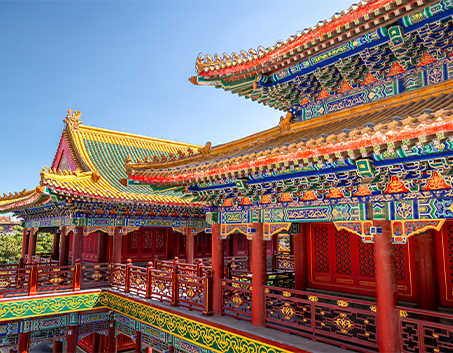
What a first-time visitor feels in Beijing is not merely scale. Through its squares, gates, and courtyards, the city imposes a specific rhythm: it asks you to slow down first, and then to observe. In the successive courtyards of the Forbidden City, this rhythm becomes pronounced. Once the epicenter of imperial administration, the complex stands today as one of the most powerful stages for China's political and cultural memory.
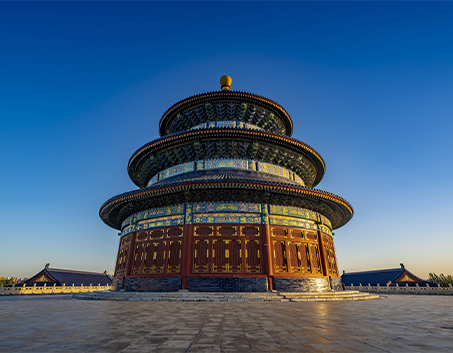
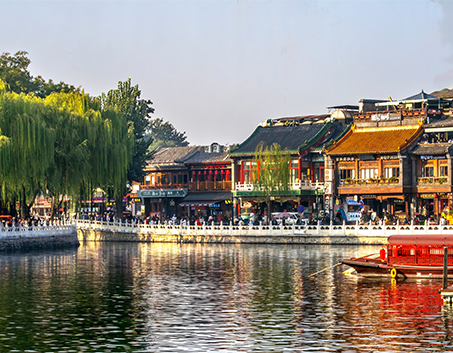
Yet reading Beijing solely through monumental structures remains incomplete. Locals exercising in the morning around the Temple of Heaven, small eateries opening in the narrow alleys of hutongs, and shaded courtyards reveal the more everyday face of the city. Grand history and ordinary life are inseparable here; they continue living side-by-side on the same street, just a few doors apart.
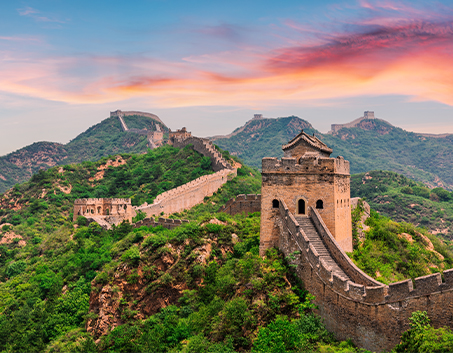
A full day should be allocated from central Beijing for the Great Wall of China. Mutianyu serves as a balanced choice for a first visit with its well-preserved structure and ease of transport. Those seeking a quieter, hike-oriented experience may consider the Jinshanling section. Viewing the Wall not as a mere photographic icon, but as a long historical narrative drawn across the landscape, alters the tone of the journey.
Allocating three full days, or ideally four, is ideal for Beijing. As reservation and identification practices for high-demand sites like the Forbidden City can vary periodically, checking visit conditions through official channels prior to travel is important.
Xi'an: A City of Memory at the Eastern End of the Silk Road
Reached in a few hours by high-speed train from Beijing, Xi'an shifts the journey into another historical layer. Formerly named Chang'an, the city served as capital to various dynasties across a history exceeding three thousand years, standing for centuries as a major meeting point for trade, thought, and belief between East and West.
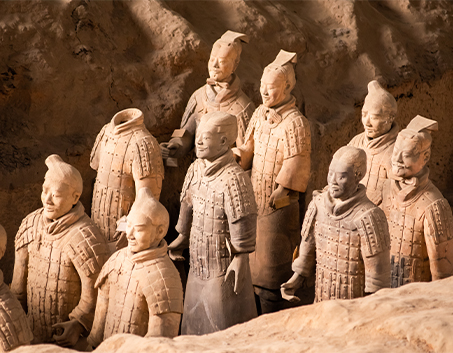
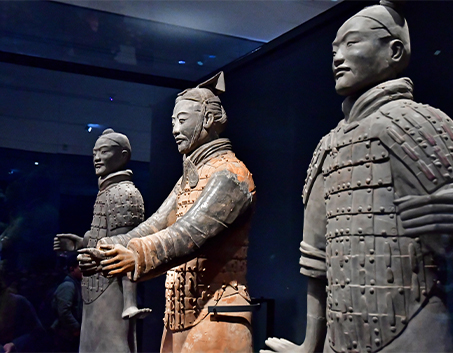
Although the Terracotta Army is the first image coming to mind regarding Xi'an, the site's true impact emerges when standing beside the soldier figures that look similar from afar. Small differences exist in every face, posture, and detail. Thousands of figures gathering in shared silence convey the scale of history far more powerfully than numbers alone. Allocating at least half a day for the visit ensures the site is not rushed.
Upon returning to the city center, walking or cycling atop the ancient city walls is one of the best ways to capture historical Xi'an and the contemporary city in a single frame. While the Bell Tower, Drum Tower, and Giant Wild Goose Pagoda complete the historic spine, the Muslim Quarter brings the city's multi-layered identity shaped along the Silk Road onto the dining table. Biang biang noodles, roujiamo, and pita bread in lamb soup are not merely dishes to sample here, but living traces of cultures that collided across centuries.
Two full days are sufficient for Xi'an's core itinerary. Travelers wishing to dedicate more time to the city's museums, archaeology, or immediate surroundings can extend their stay to three days.
Chengdu: The City of Spice, Tea, and Slowing Time
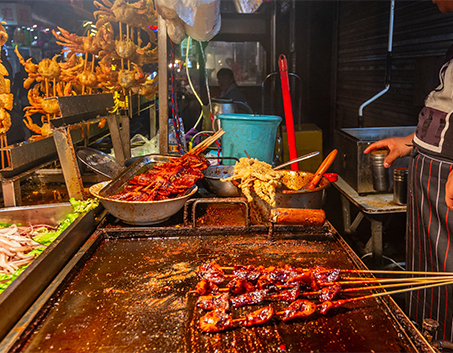
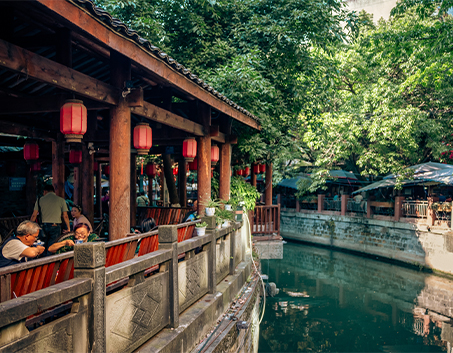
As one moves from Xi'an toward Chengdu, tempo shifts as much as geography. Capital of Sichuan province, Chengdu appears not to have built its daily routine on haste, despite being a major metropolis. Teahouses in parks, lingering lunches, and shared tables filling in the evening hours define the city's character.
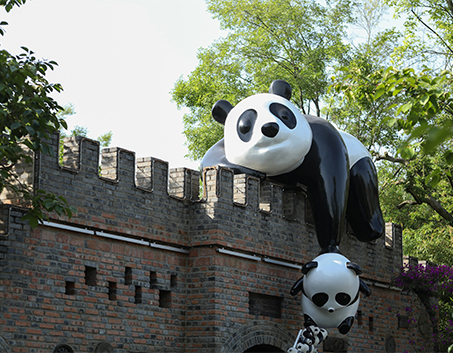
The Chengdu Research Base of Giant Panda Breeding is the city's most famous stop. A morning visit when pandas are most active allows the remainder of the day to be dedicated to the city center. However, defining Chengdu solely by pandas means missing the city's core narrative.
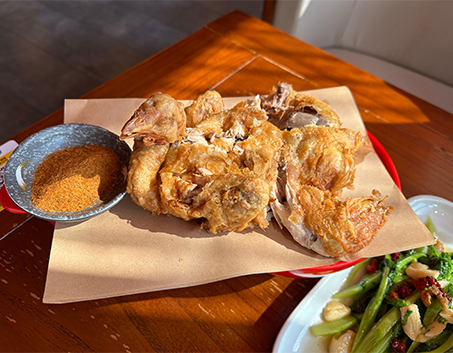
Recognized as a City of Gastronomy within the UNESCO Creative Cities Network, Chengdu is the heart of Sichuan cuisine. The spiciness here does not derive merely from chili heat; the numbing sensation of Sichuan peppercorns, combined with garlic, fermented flavors, and aromatic oils, transforms into a complex taste profile. Hotpot, mapo tofu, and dumplings served in chili oil turn dining into a dedicated chapter of the journey.
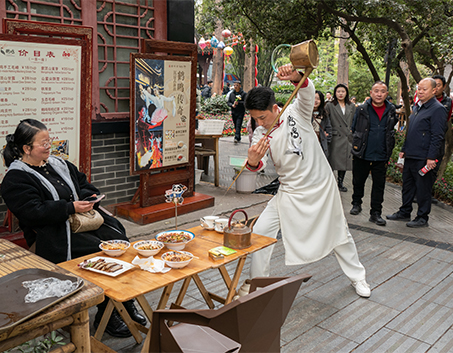
Sitting in one of the teahouses in People's Park is the simplest way to grasp why Chengdu feels different. While tea cups are continuously topped up, mahjong players, chatting families, and people unconcerned with the rush of the day surround you. If time allows, a day trip outside the city can be dedicated to the Dujiangyan Irrigation System, Mount Qingcheng, or the Sanxingdui Museum featuring extraordinary bronze artifacts.
Allocating at least three days to Chengdu permits exploring both the city and one of the nearby destinations. The high-speed train journey between Xi'an and Chengdu typically takes three to four and a half hours, making transitions between the two cities effortless within the route.

Shanghai: Two Distinct Eras on Two Banks of the Same River
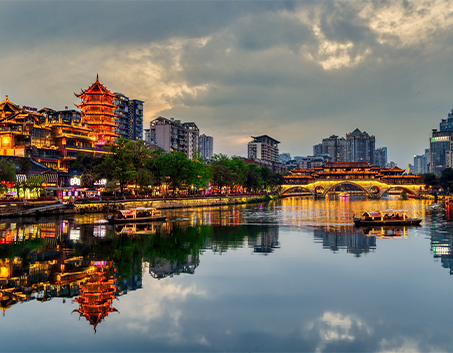
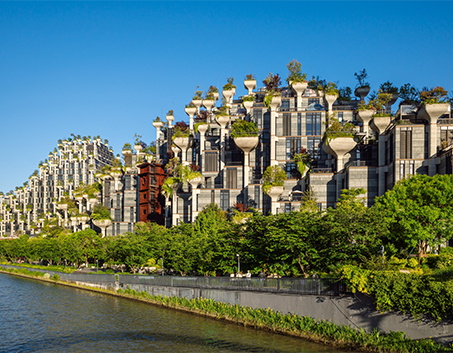
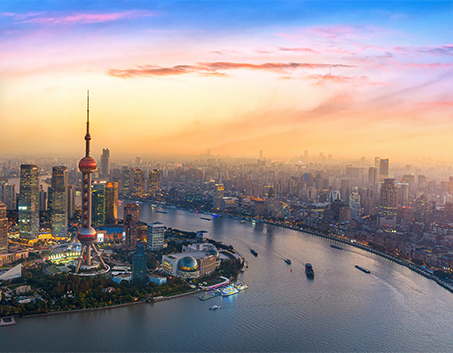
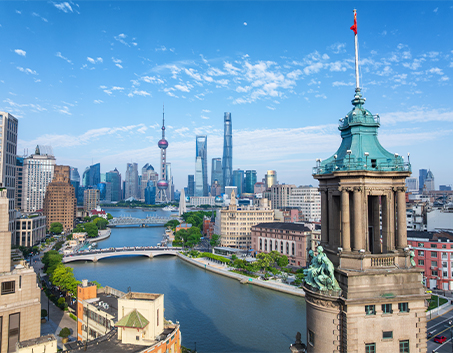
Reached via a flight of approximately three hours from Chengdu, Shanghai creates the most pronounced contrast of the itinerary. Historic edifices lined along the Bund on the west bank of the Huangpu River and Pudong skyscrapers on the opposite bank bring the city's past and future vision side-by-side in a single glance.
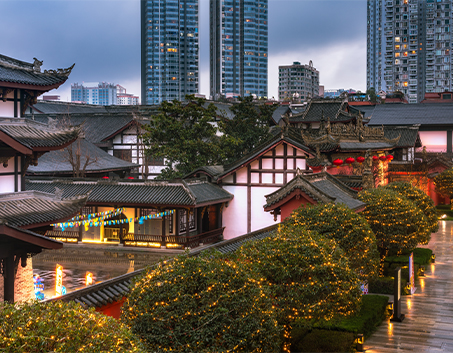
Shanghai's true impact lies not only in its skyline, but in transitions between neighborhoods. Walks extending from tree-lined streets of the Former French Concession to traditional shikumen residences, small design boutiques to contemporary art spaces, demonstrate the city's constantly shifting character. Yu Garden reveals the quieter realm of classical Chinese landscape design, while collections at the Shanghai Museum reassemble the historical layers encountered throughout the journey.
Starting a morning in the city with xiaolongbao or pan-fried shengjian mantou is as much a part of the itinerary as concluding an evening strolling along the Bund. If time permits, a day trip to Zhujiajiao with its canals and stone bridges, or to Suzhou with its classical gardens, opens a short window into the Jiangnan region beyond the metropolis.
Three days offer a solid introduction to Shanghai; if a day trip to surrounding areas is added, four days prove more balanced. As the train journey between Chengdu and Shanghai is quite long, utilizing a flight on this leg preserves the itinerary's timing.
Pacing the Itinerary
These four cities can technically be squeezed into a shorter schedule. However, taking into account China's vast transport hubs, security checks, urban distances, and high-density attractions, 13 to 14 days offer a far more realistic framework. Thus, the trip remains more than just rushing from one place to another.
Recommended 13-14 Day Flow
| Stop | Duration | Role in Itinerary | Next Transit |
|---|---|---|---|
| Beijing | 4 days | Imperial heritage, hutongs, and Great Wall | High-speed train to Xi'an: approx. 4-6 hours |
| Xi'an | 2 days | Terracotta Army, city walls, and Silk Road cuisine | High-speed train to Chengdu: approx. 3-4.5 hours |
| Chengdu | 3 days | Panda base, teahouses, and Sichuan cuisine | Flight to Shanghai: approx. 3-3.5 hours |
| Shanghai | 3-4 days | The Bund, neighborhood walks, and modern urban life | Return flight or regional day trips |
Note: Durations are approximate; current timetables and visiting conditions should be verified according to travel dates.
When to Go?
Spring (April–May) and autumn (September–October) generally present the most balanced weather conditions for this route. Nevertheless, domestic tourism surges dramatically around Chinese New Year, Labor Day holidays in early May, and National Day holidays in early October. If traveling during these periods, trains, flights, and major site entries must be booked much further in advance.
Prepare Your Phone Before Arriving in China
The phone is one of the most essential travel tools in China. Applications such as WeChat and Alipay are widely used for daily payments; completing steps to link foreign bank cards to these apps before departure simplifies matters. Nonetheless, keeping a physical card and some cash on hand is wise in case of technical issues. On long days out, a portable power bank is almost as vital as a wallet.
Access to international platforms like Google, WhatsApp, and Instagram may be restricted over local internet networks. Therefore, an offline-capable translation app, a navigation map service usable in China, and hotel addresses written in Chinese characters should be prepared in advance. Local applications such as DiDi for ride-hailing and Amap for maps can be considered.
Passports serve as identification for train travel and entrances to major tourist sites. Carrying it on your person during the day and keeping a digital copy in a secure location is a good habit. As rules regarding visas, entry, reservations, and payment applications change over time, final checks should be made via official sources.


When the Curtain Falls, the City Remains
What renders Edinburgh special is not that a television series was filmed there. What is truly striking is that all the emotions required by the series were already present in the city: time accumulated in stone, curiosity growing in narrow wynds, freedom viewed from hills, and wounds of history that never fully close.
Outlander provides a powerful lens through which to look at this city; yet Edinburgh quickly exceeds the boundaries of that lens. Stepping out of Bakehouse Close and re-emerging onto the Royal Mile, you no longer merely trace Claire and Jamie. You observe how a city carries its past, how it retells it, and how it remains itself across all eras.