

In the Northern Hemisphere, September means the end of the holiday season for most people. Yet summer does not truly end; it merely retreats southward on the map. While the sea retains its leftover summer warmth on the southern shores of the Mediterranean, certain islands in the Atlantic Ocean continue to enjoy sunny days. In the Red Sea and the Arabian Peninsula, the stifling heat of summer drops to much more favorable levels for travel with the arrival of autumn.
Therefore, when planning a sea holiday in autumn, asking only "Where is warm?" is not enough. September, October, and November are three quite distinct travel periods. While the Mediterranean remains a strong option in September, it becomes necessary to move closer to the south in October, and toward the tropical belt or the Red Sea in November. As much as air temperature, sea water, wind, rainfall probability, and the operating schedules of seasonal businesses determine the right route.
The best autumn holiday is less about finding the hottest place and more about selecting the right destination in the right week. While some routes still experience high summer in September, others truly bloom in October and November.
Short answer for a sea holiday in autumn
In September: Kaş–Çıralı line, southern shores of Crete, Cyprus, and Gozo
In October: Cyprus, La Gomera, Taghazout, and Marsa Alam
In November: Canary Islands, Red Sea, Oman, and Cabo Verde
Now let us look at these routes, stepping slightly outside the well-known holiday hubs.
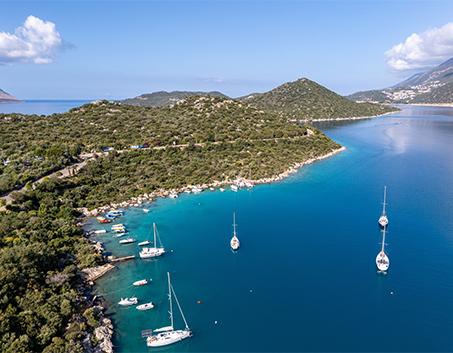
Kaş, Adrasan, and Çıralı: Second summer in the Mediterranean
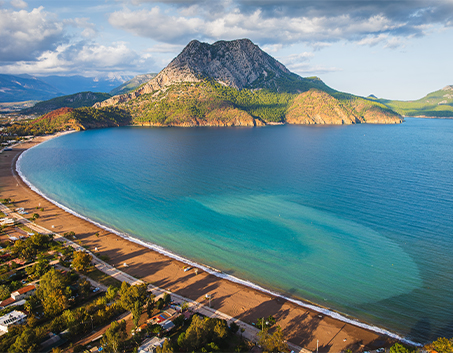
You do not always need to change countries to search for a warm route in autumn. Turkey’s southwestern shores, especially in September and early October, are one of the most accessible options for those wishing to extend their sea holiday. Around Antalya, sea temperatures can remain suitable for swimming into October; the Taurus Mountains also shield the coastline against cool air currents coming from the north.
However, this time it is worth looking toward the Kaş, Adrasan, and Çıralı line rather than major resort centers. The coves, which are quite busy during the summer months, quiet down starting in September. Boat routes stretching from Kaş to Kekova, the small coves around Adrasan, and the long beach of Çıralı return to a lower tempo. The slight drop in temperature makes it possible to hike short sections of the Lycian Way in the morning hours and swim in the afternoon on the very same day.
Best time: From mid-September to mid-October.
The southern shores of Crete: The island’s quieter face than summer
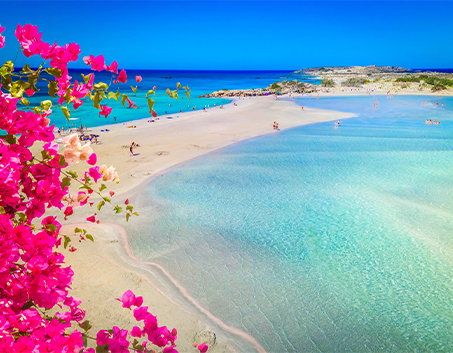
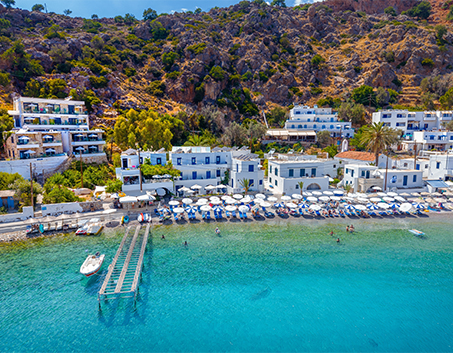
Although the season on Greek islands is often portrayed as ending at the end of August, the weather remains mild in September and October, and the sea preserves its remaining summer warmth. One of the best manifestations of this is heading to the southern shores of Crete instead of its popular northern hubs.
Loutro, inaccessible by road, Paleochora, suitable for longer stays, and Triopetra, preserving its wild coastal appearance, offer a different experience from the busy resort centers around Chania and Heraklion. The main advantage of Southern Crete is not just the sea. Thanks to mountain villages, small tavernas, and hiking routes, even if the weather changes for a few hours, the entire day is not lost.
As October progresses, one must take into account that some seasonal businesses may close and boat services may decrease. This route suits those seeking quiet coves, local cuisine, and a slow island experience rather than nightlife.
Best time: September and the first half of October.
Cyprus: The summer that comes closest to November in the Mediterranean
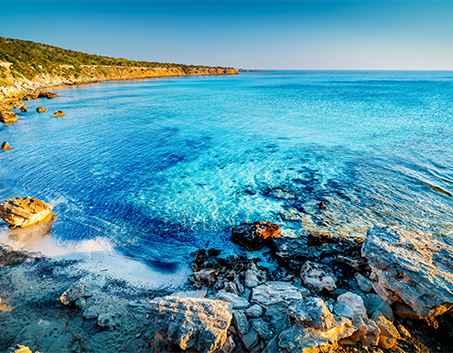
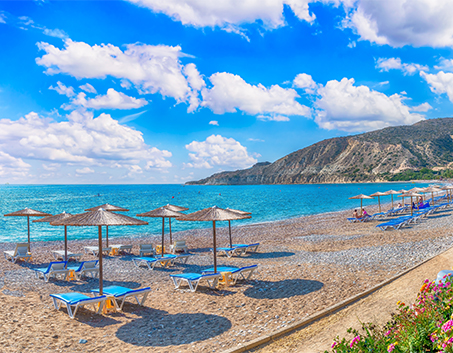
Cyprus is one of the Mediterranean's most reliable choices for those wanting to swim in autumn. Open-sea temperatures generally remain above 22°C from June to November. September and October are a strong period for swimming, sunbathing, and water sports; in November, depending on weather conditions, sea enjoyment can continue.
It is also possible to go beyond classic beach hubs in Cyprus. The hiking trails and small coves of the Akamas Peninsula, the quieter shore of Pissouri, or the wine villages in the island's inland regions add different layers to a sea holiday. Thus, the trip does not rely solely on the expectation of a sunny day.
If planning for November, a flexible schedule is wiser: the sea around midday, and culture, gastronomy, and nature routes during the morning and evening hours.
Best time: September, October, and depending on weather conditions, the first half of November.
Gozo: Malta’s quieter sibling
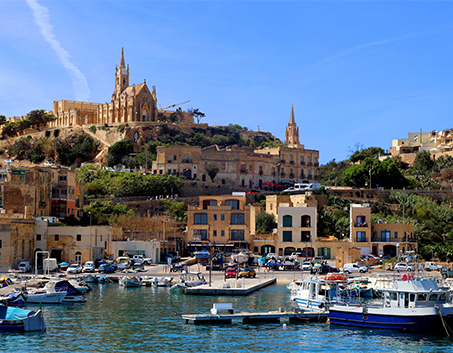
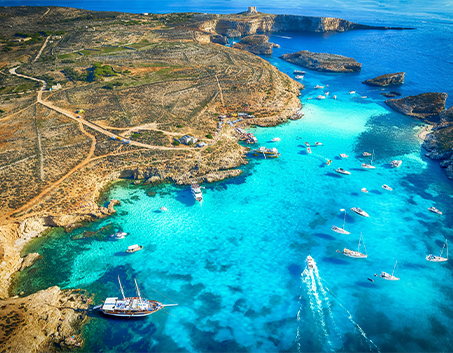
Malta is a strong option in September and October for those who wish to combine a sea holiday with a cultural trip. However, the place to pay attention to in autumn is not the main island, but Gozo. With its small scale, rocky shores, walking paths, and slow-paced daily life, the island offers more than just a quick sea getaway.
The reddish sand of Ramla Bay, coastal formations around Dwejra, Xwejni salt pans, and the historic Citadel in Victoria allow for an easy transition between the beach and culture. While September is still suitable for a swim-focused holiday, balancing sea days with island walks and village visits in October is more appropriate. November can be mild; however, one should not plan this month solely with the expectation of swimming.
Gozo's true value in autumn lies in being more local, quieter, and more walkable compared to the crowded Malta experience of summer.
Best time: From mid-September to the end of October.
La Gomera: The Canary Islands’ option away from the crowds
When searching for sun and sea relatively close to Europe in November, the Canary Islands are a constant on the list. La Gomera, one of the lesser-known members of the archipelago, appeals to those who want to get away from large resorts and combine their holiday with nature.
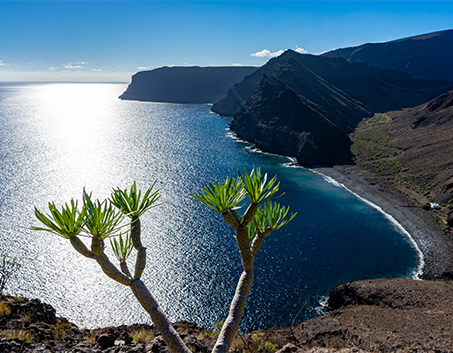
Choosing La Gomera instead of the large resorts of Tenerife and Gran Canaria completely changes the character of the holiday. Volcanic coves, black sand beaches, and the Garajonay National Park—a UNESCO World Heritage Site—meet on the same small island. While the area around Valle Gran Rey stands out for swimming and sunsets, Playa de Santiago offers a quieter coastal life.
In October, while average temperatures across the archipelago reach around 26°C, daylight hours also remain around 10 hours. The Atlantic Ocean may feel cooler than the Mediterranean; in contrast, sunshine, hiking, and outdoor activities continue strongly throughout autumn.
Best time: October and November.
Taghazout and Tamraght: An ocean rhythm rather than a beach holiday
When a warm route in autumn is mentioned, Morocco is often thought of via Marrakech. However, Taghazout and Tamraght, north of Agadir, offer a different coastal experience starting in October. The main surf season in the region starts in October and continues until spring.
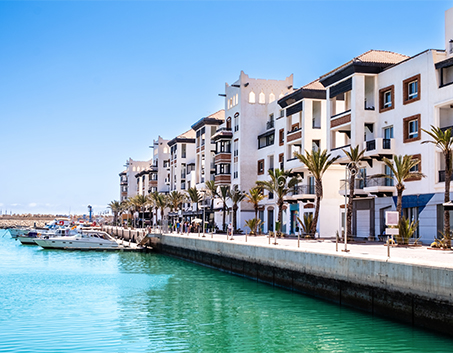
Taghazout is no longer just a small fishing village visited by surfers. Surf camps, yoga centers, small design-oriented hotels, and simple eateries serving seafood make the region suitable for an active multi-day holiday. For quieter accommodation, neighboring Tamraght can be preferred; during the day, one can head to Taghazout coves and around Anchor Point.
The important distinction here is this: the Atlantic Ocean is not as warm as the Mediterranean. Therefore, the route appeals to those seeking sun, surfing, beach walks, and ocean views rather than long swimming days in the classic sense.
Best time: October and November; conditions for surfing strengthen toward winter.
Marsa Alam: The Red Sea’s lesser-known underwater route
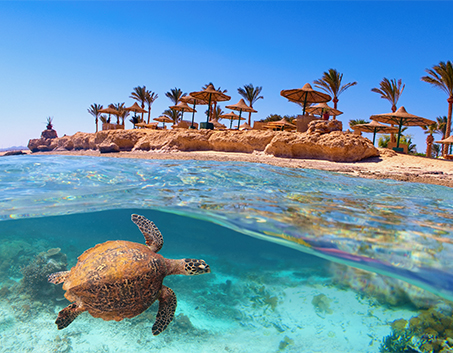
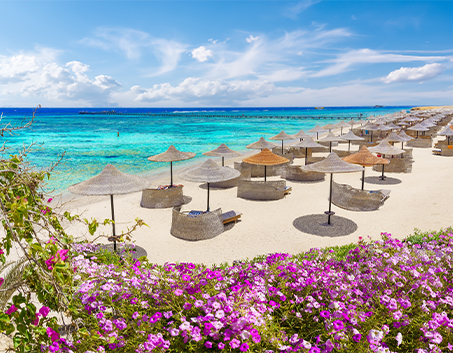
For those who do not want to risk sea temperatures in October and November, the Red Sea is a strong option. While Sharm El-Sheikh and Hurghada are better known, Marsa Alam stands out with its near-shore reefs, rich marine life, and more sparsely built coastline. Although the region has long been on the route of experienced divers, it remains a relatively undiscovered option for those seeking a quiet sea holiday.
Marsa Alam's difference is that underwater life does not belong only to professional divers. Snorkeling around Abu Dabbab, seeing the Sharm El Luli coast in Wadi El Gemal National Park, and reaching offshore reefs by boat are possible. Since the region's resorts are more spread out compared to Hurghada, direct access to the beach and reef is important when choosing a hotel.
The Red Sea shores can remain warm and sunny even in winter months. Autumn offers the balanced window between the extreme heat of summer and the windier days of winter.
Best time: October and November.
Oman: Adding the sea to the same route as desert and mountains
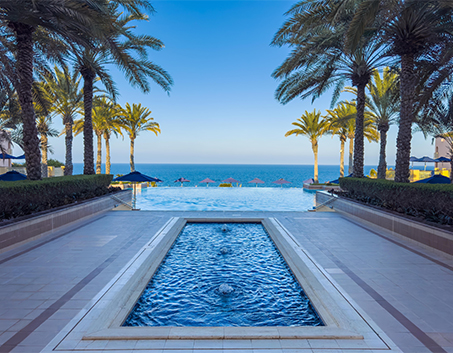
In autumn, Oman stands out for those seeking geographical diversity, not just a warm coast. From September to November, temperatures gradually drop, with autumn averages hovering around 28°C. This same period coincides with the time frame when whale shark migration can be observed off Muscat around the Ad Dimaniyat Islands and Musandam.
In Muscat, a multi-day city and coastal program can be combined with snorkeling or diving in Dimaniyat. On a longer trip, the Hajar Mountains, Nizwa, and desert camps can be added to the route. Salalah in the south appears completely different from the rest of the country with its Dhofar landscapes that remain green after the summer monsoon and its long sandy beaches.
Oman's true charm, unlike the flashy city breaks of neighboring Gulf destinations, lies in combining coast, culture, and nature in a more measured experience.
Best time: Late October and November.
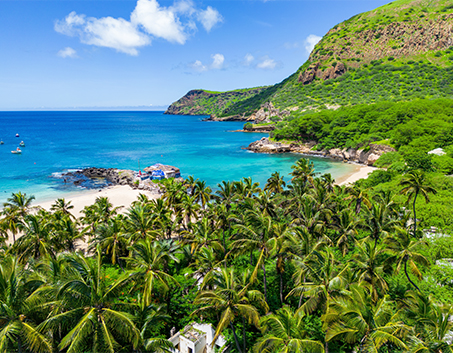
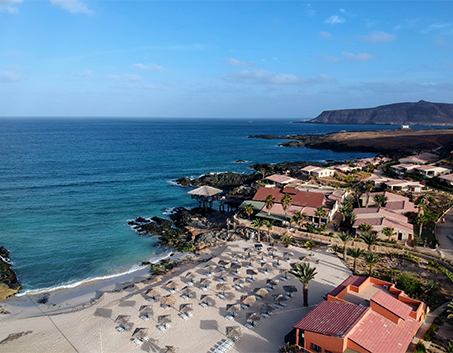
Boa Vista: The island opening to the dry season in November
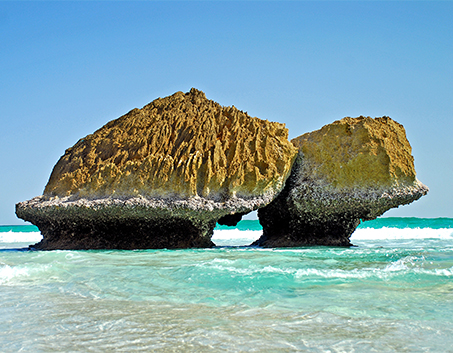
For those planning a more distant sea holiday toward the end of autumn, Cabo Verde's island of Boa Vista is a strong but still little-discussed alternative in Turkey. In the archipelago off West Africa, the dry season starts in November. Low rainfall, mild temperatures, and conditions suitable for beach activities come to the fore, while sea water generally does not drop below 22°C throughout the year.
Chaves and Santa Monica beaches stand out with miles of light-colored sand, while the Viana Desert in the interior gives the island an appearance almost reminiscent of the moon's surface. Sal Island offers more facilities and water sports options; Boa Vista is suitable for those seeking a wider, quieter, and less built-up coastal experience.
Best time: November; conditions for wind sports strengthen toward December.
Four details when choosing a warm route in autumn
- Clarify the month. A Mediterranean island that is perfect for September may not offer the same swimming conditions in November. Canary Islands, Red Sea, Oman, and Cabo Verde are safer options for November trips.
- Look at sea temperature, not just air temperature. A sunny day does not always mean a warm sea. Especially on the Atlantic coast, even if the air is mild, the water can be cooler.
- Check whether the season is open. In small Greek islands and Mediterranean coastal towns, hotels, restaurants, and boat operators may change their working schedule starting in October.
- Do not build the entire plan solely on the beach. The best autumn routes are destinations that add a second strong experience alongside the sea, such as hiking, gastronomy, culture, or diving.
Frequently asked questions
Where to swim in October?
Antalya’s southern shores, Crete, Cyprus, and Malta can be evaluated especially in the first half of October. Later in the month, the Canary Islands, Red Sea, and Oman turn into stronger options.
Where to go for a warm sea holiday in November?
Marsa Alam and Red Sea shores, Oman, Canary Islands, and Cabo Verde stand out in November. Although mild days can be seen in Gozo and Cyprus, it is necessary to make a flexible program rather than guaranteeing a sea holiday.
Which is the warmest route in Europe in autumn?
Cyprus, Crete, and Malta in October; and the Canary Islands, which are geographically close to the African coast, in November are among the strongest sun routes connected to Europe.
What is the advantage of an autumn sea holiday?
Lower visitor density, balanced temperatures compared to mid-summer, and the opportunity to combine nature or cultural trips with the beach are the most important advantages. In contrast, current weather conditions and seasonal businesses must be checked.
You do not always need to go farther to extend summer; sometimes a few latitudes, sometimes shifting the travel date by two weeks is enough. The good thing about autumn lies right here: while sun and sea continue on the shores from which crowds have retreated, the routes begin to show their true character that went unnoticed during summer months.